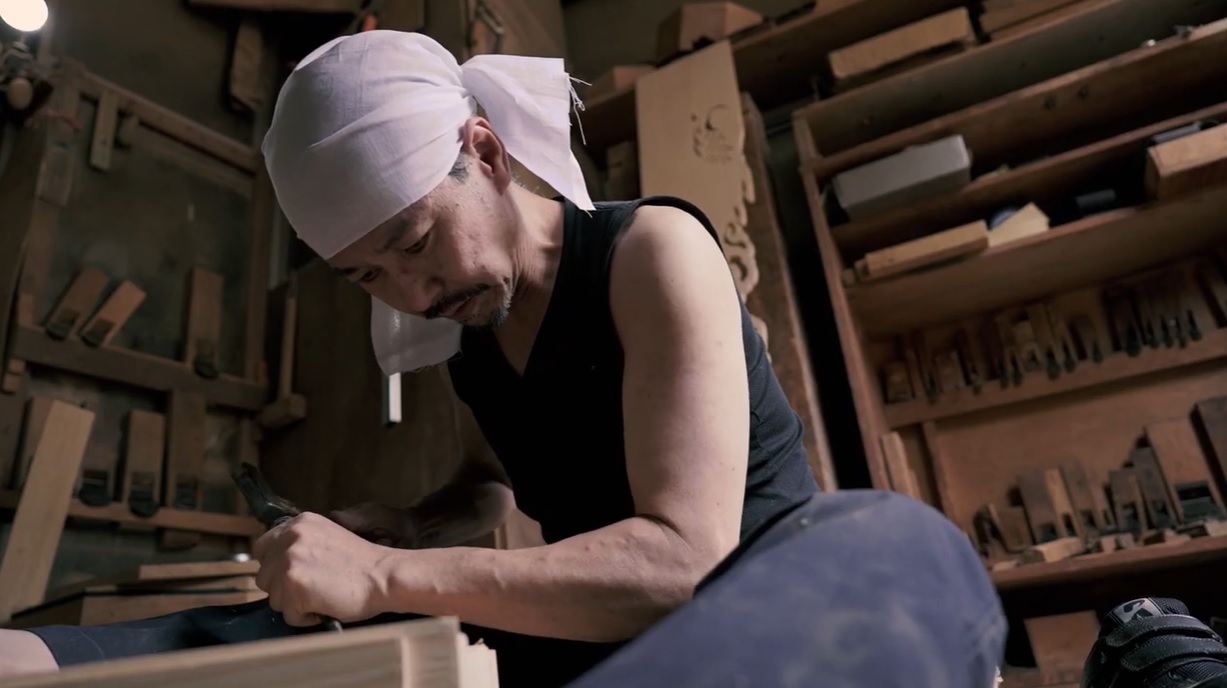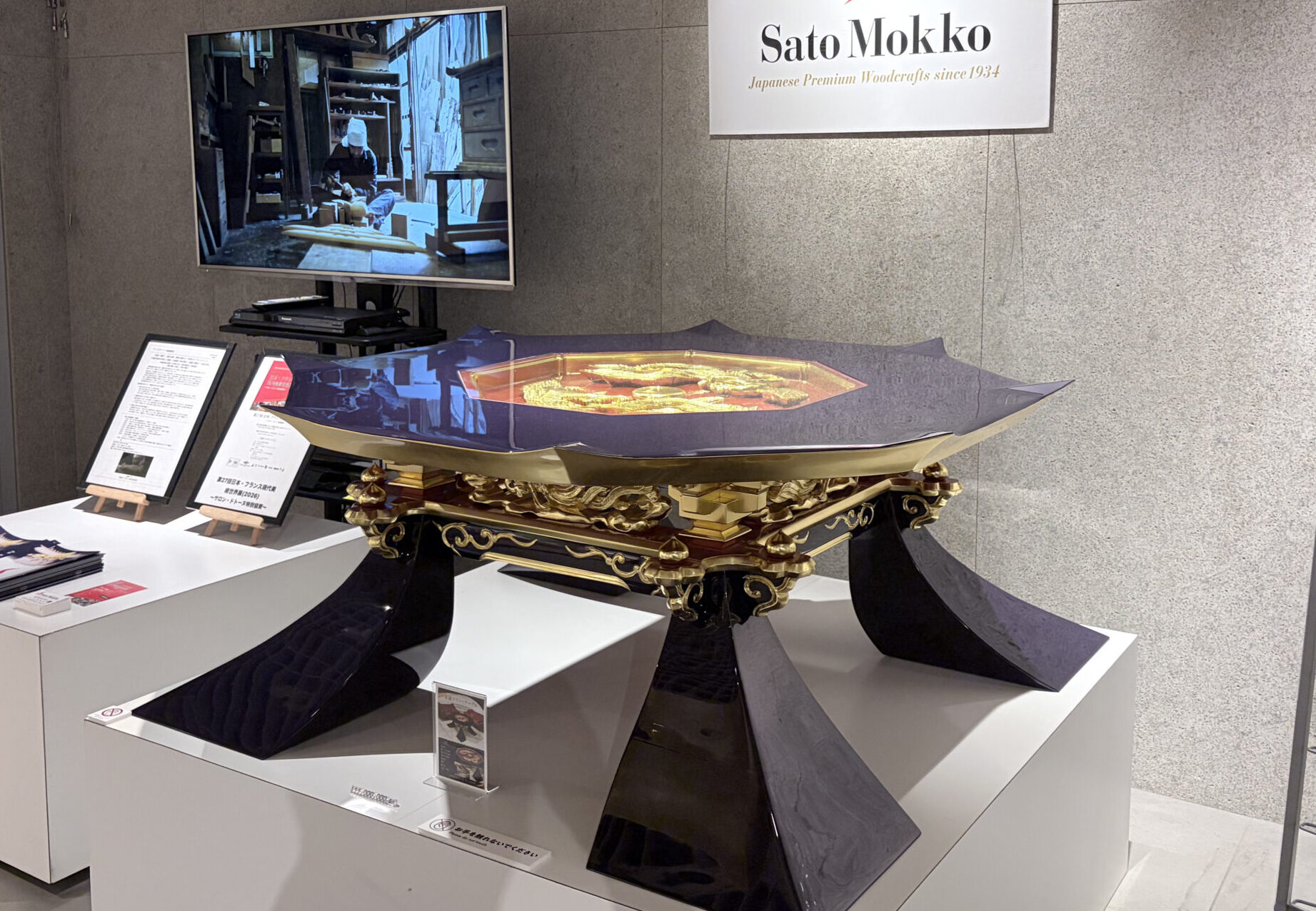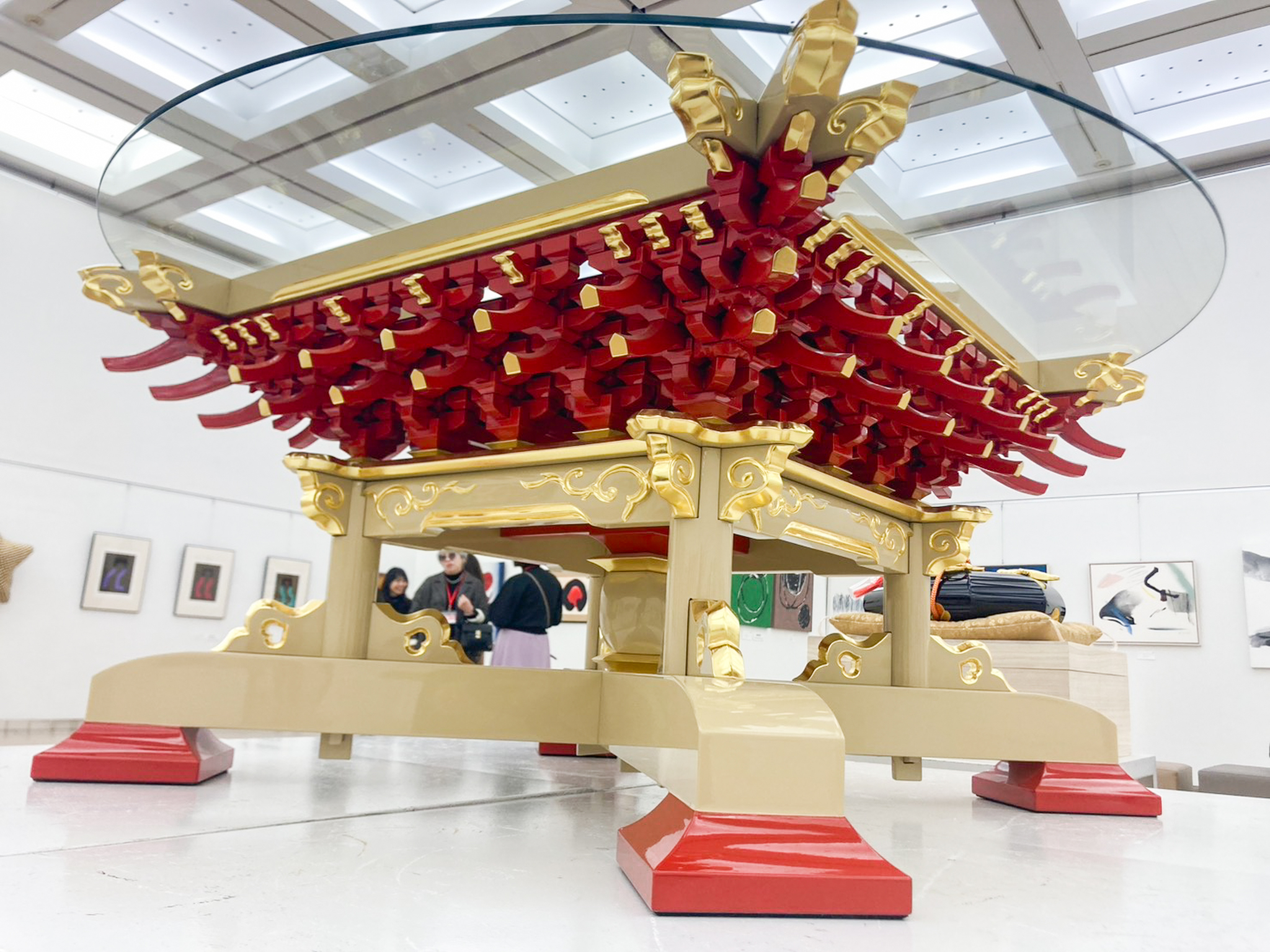
At Sato Mokko, my work brings together furniture joinery, the timber construction used in shrine and temple work, carving, urushi lacquer and gold leaf. These were once the work of different specialist craftspeople. Today, I combine them as needed to make each piece individually.
The techniques vary from one work to the next. Some pieces reveal the grain of the wood; others are finished with lacquer or gold leaf. I choose the techniques according to the form I want to create and how I want it to look.
Furniture, Shrine Woodwork and Carving: Different Fields, Different Skills
Furniture joinery and shrine and temple woodwork both involve wood, but their construction methods differ. Carving is a specialist field in its own right. In earlier years at Sato Mokko, different craftspeople took responsibility for their respective areas of expertise.
As the number of craftspeople declined, I began undertaking furniture making, shrine and temple woodwork, and carving myself. Working in these fields over many years has enabled me to draw on different skills within a single piece whenever they are needed.
Working with the Character of the Grain
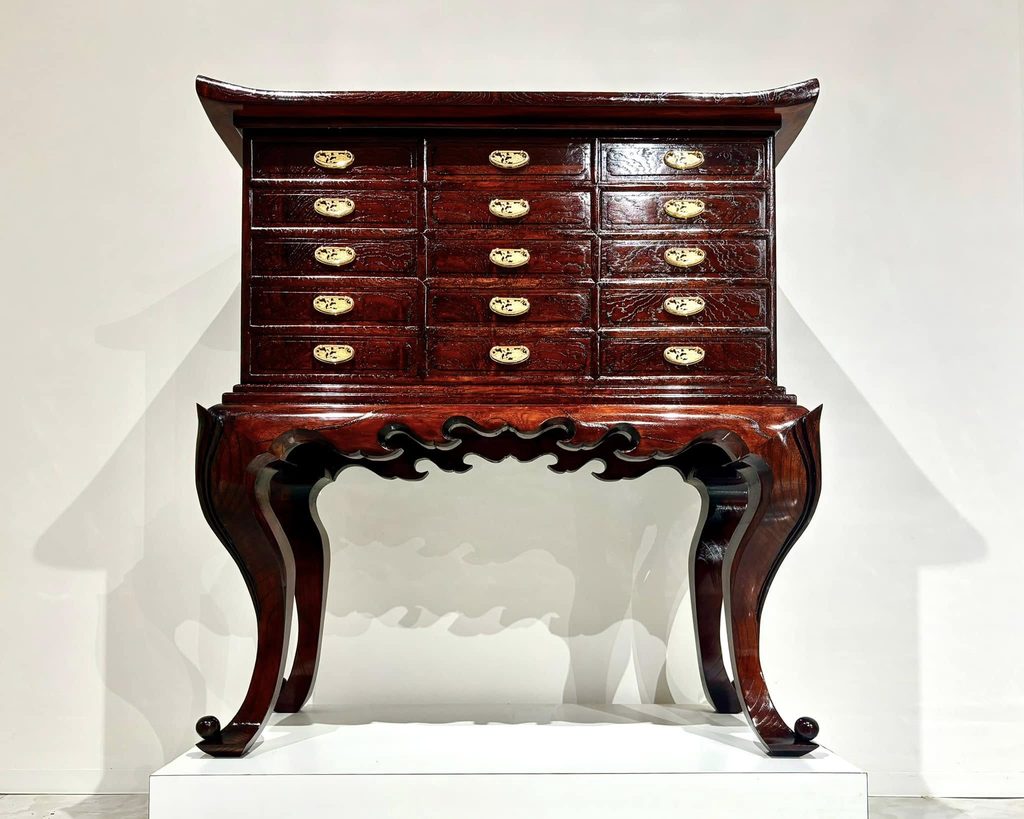
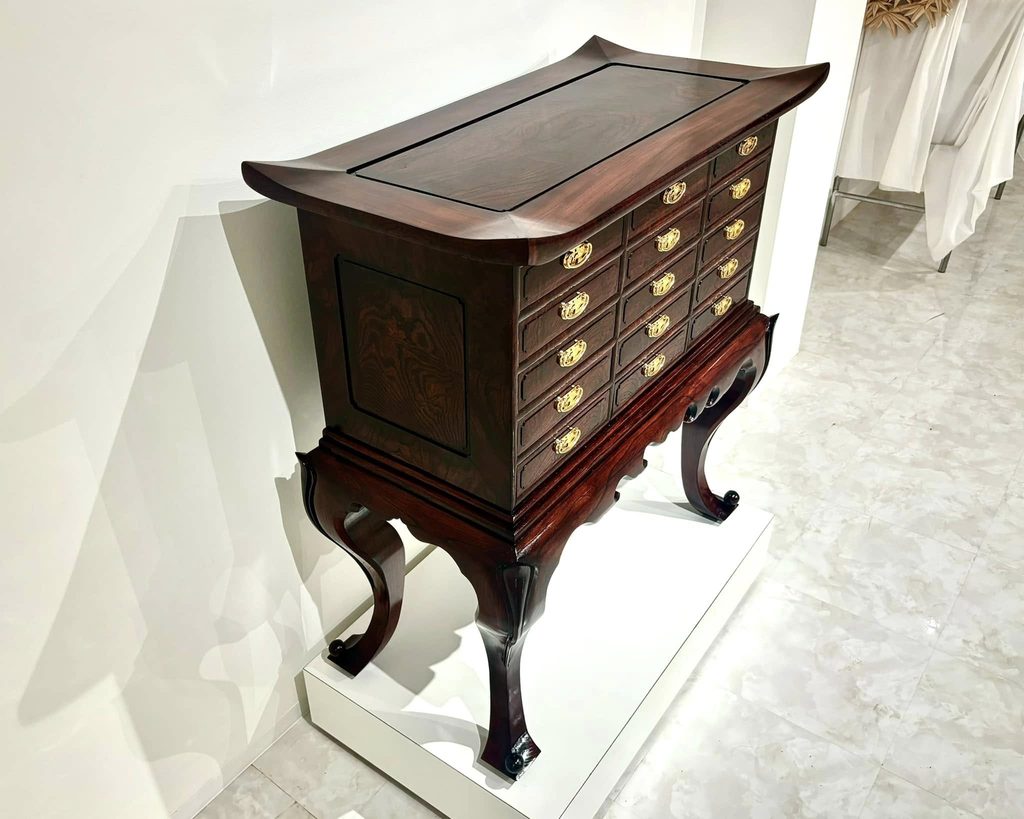
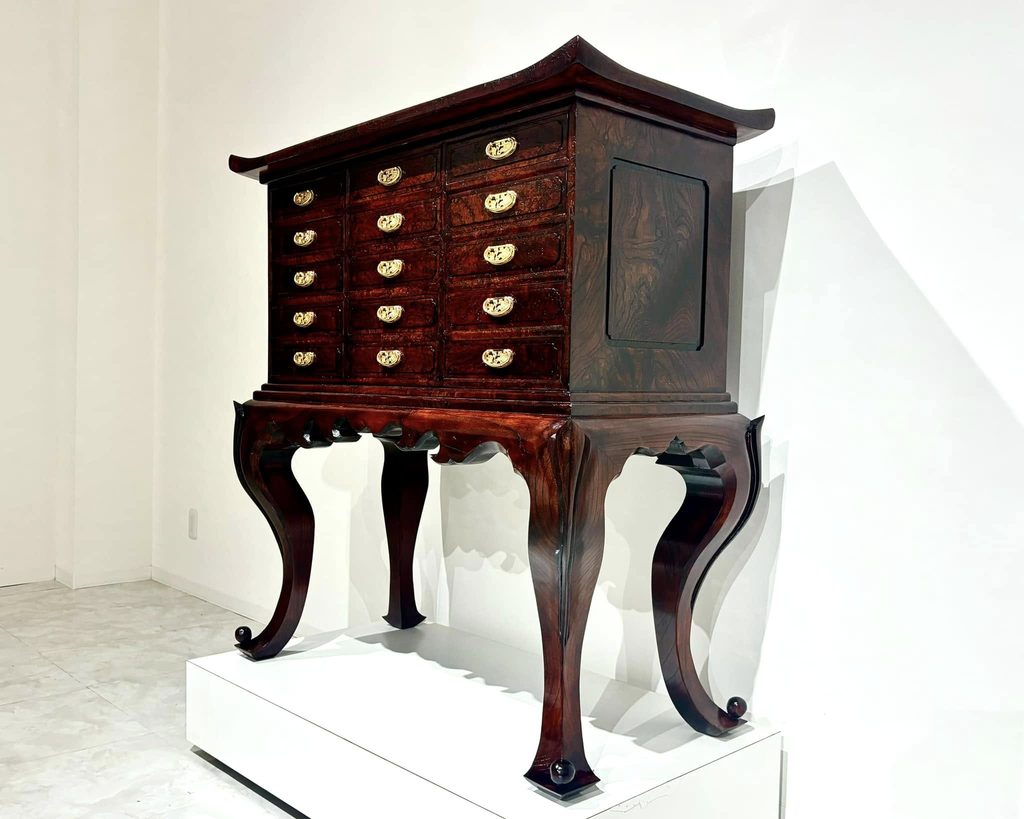
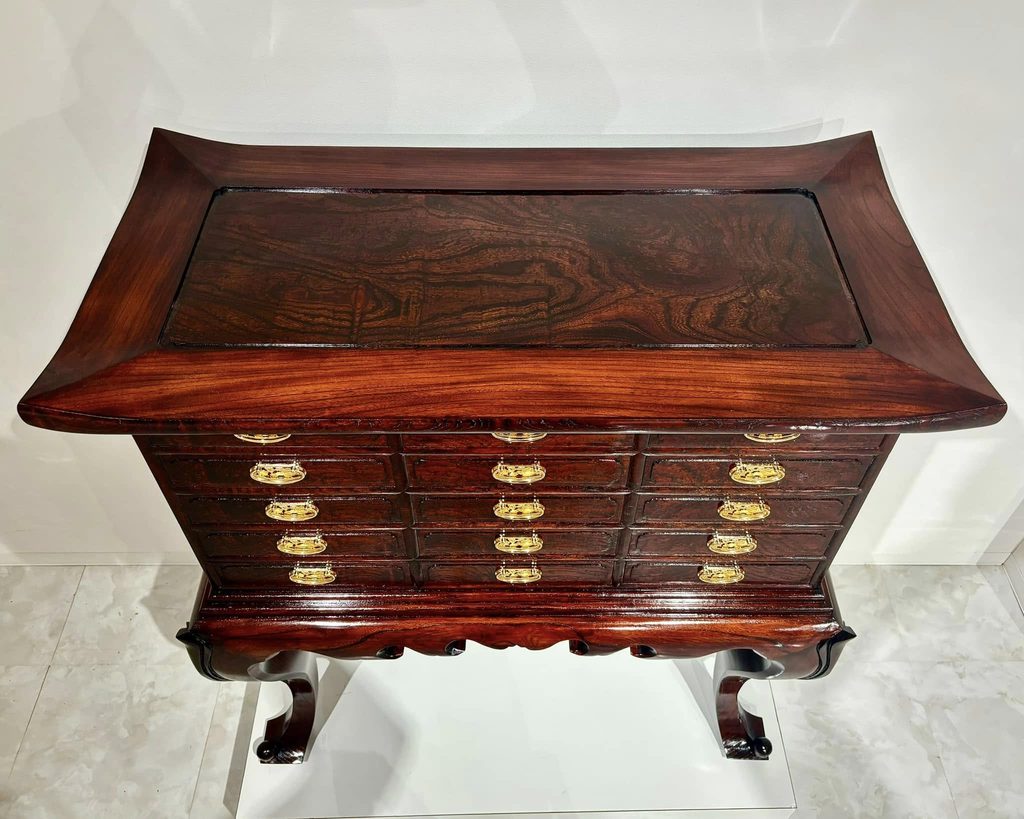
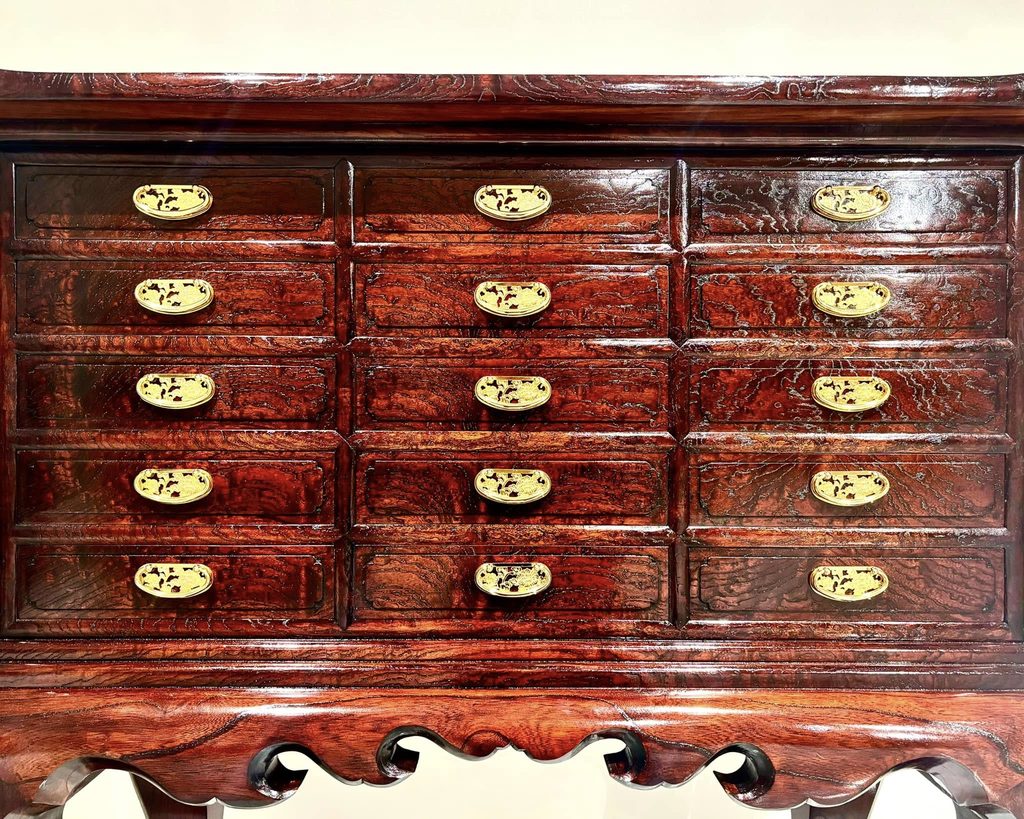
For a piece that shows the grain, I consider not only which wood to use, but which part of a board should go where. Every board of natural timber has its own grain and colour. The way it is cut and oriented changes the impression of the finished work.
Sometimes I cut the timber so that the grain appears to continue from one face to another, then assemble it using sashimono, traditional furniture joinery. Even if viewers do not know the name of the technique, I hope the finished piece makes them wonder how it was made.
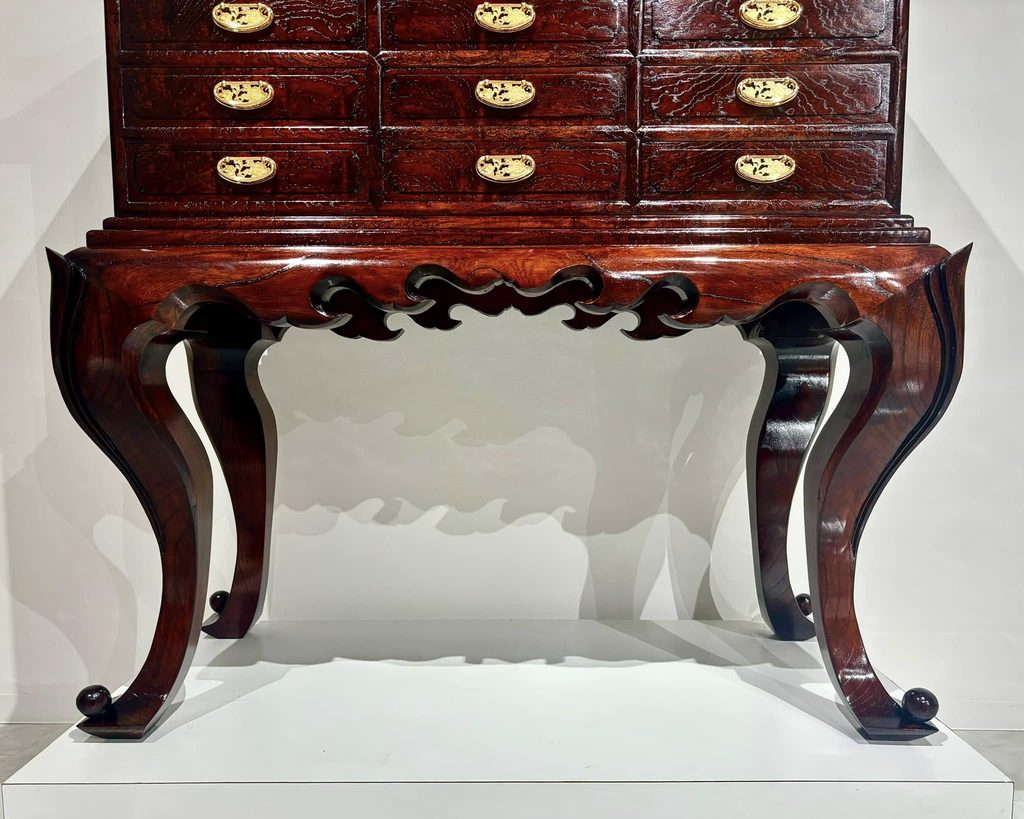
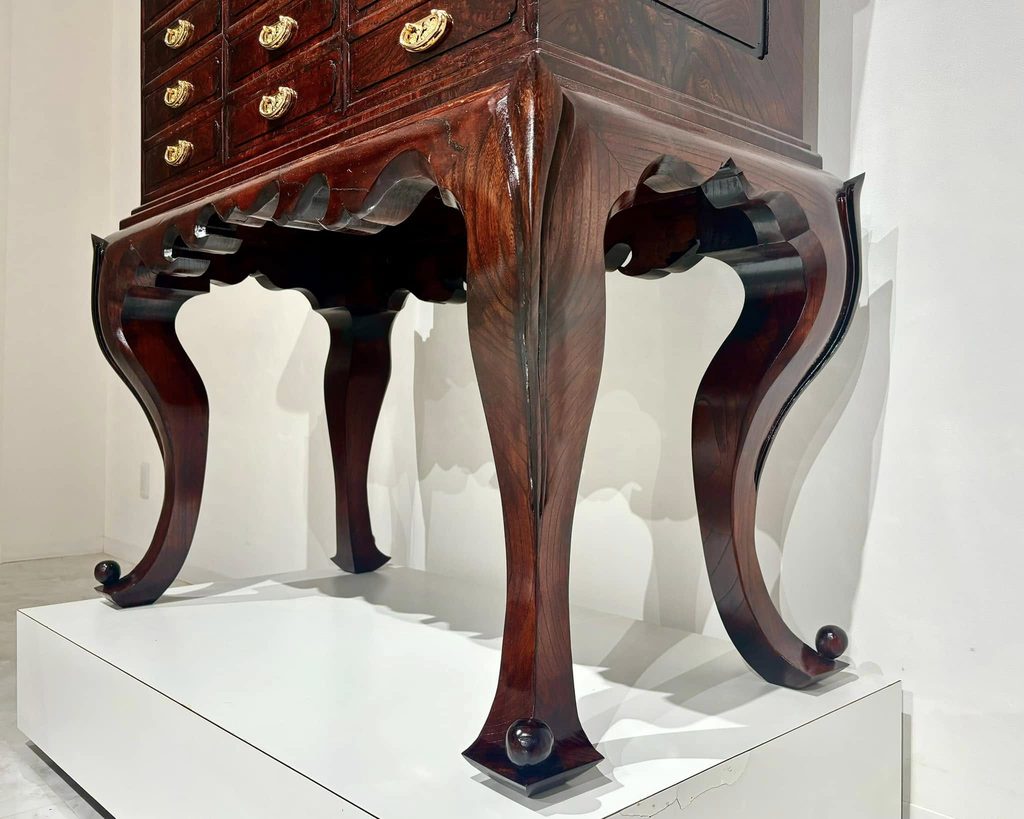
Finishing with Urushi Lacquer and Gold Leaf
Some works conceal the grain. I may finish them with urushi lacquer or use gold leaf. While working with the shape of the wood, I consider colour, sheen and texture as part of the finished piece.
Whether to leave the grain visible or cover it with lacquer or gold leaf is a decision I make for each work. I choose the finish according to what suits its form.
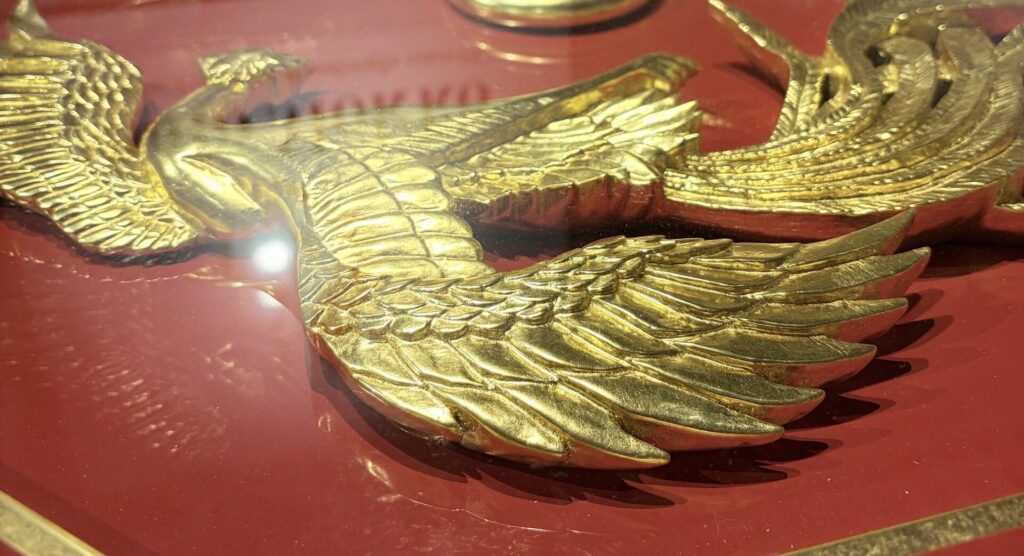
Choosing the Right Construction Method
Furniture joinery has its own ways of assembling wood, while shrine and temple work uses different timber joints. For some pieces, I also use construction methods associated with miyadaiku, carpenters specialising in shrines and temples. I am not a miyadaiku, but I have learned these methods through years of involvement in shrine and temple work.
I may incorporate architectural timber construction and carving while also considering the dimensions and usability of furniture. Being able to think across both fields helps shape the work I make today.
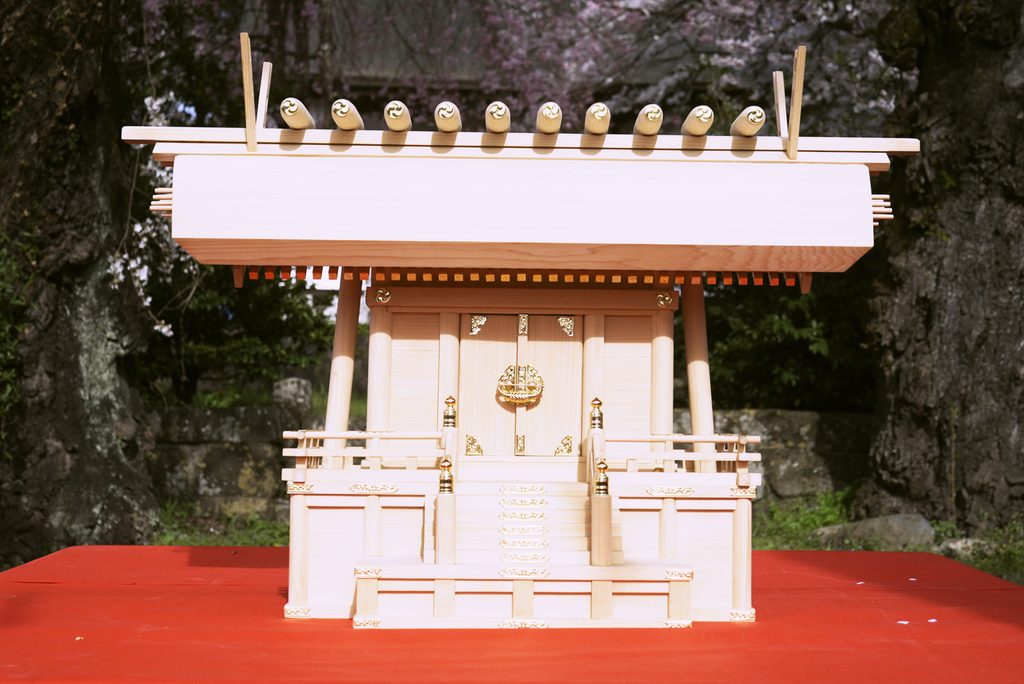
Bringing the Necessary Skills into One Piece
Should the grain remain visible, or should the piece be lacquered? Which joints should I use? Should there be carving? I choose what is needed for the form I want to create. I also develop the design myself and use my skills to realise it.
I believe one of Sato Mokko’s strengths is being able to bring together skills that were once divided among different craftspeople. More than the number of techniques involved, what matters is how they come together as one finished piece.
Developing the Form through Conversation
For a custom commission, I first ask what the piece will be used for, where it will go and how large it needs to be. Where necessary, I also visit the site. We develop the form together, using sketches and other visual references to share the idea.
You do not need to decide every detail before you contact us. Once I understand what you want, I work through the choice of wood and the structure. Through further conversations and suggestions, we arrive at a form suited to you and the place where it will be used.
Making Something Beyond What Was Imagined
Customers sometimes tell me, “It is more than I imagined.” When someone entrusts a piece to me, I want to contribute my knowledge and experience as well as respond to their wishes, and create something that exceeds their expectations.
The wood, construction, finish and design all serve that purpose. I want people to feel a sense of surprise when they first see the piece, and to remain glad they commissioned it as they continue to use it. That is when I feel the work is complete.
From Furniture Making to Creative Japanese Art Furniture
Furniture serves everyday life. For practical functions such as storage or a surface to put things on, mass-produced products now offer many choices. That has led me to want to make pieces that can also be cherished for their appearance and presence in a room.
“Sousaku Wa-kagu,” or “Creative Japanese Art Furniture,” has grown out of that thinking. Using traditional woodworking skills, I give form to what I want to create without confining myself to established furniture shapes.
My creative work is also informed by years spent working on objects for shrines, temples and festivals. The timber construction, decoration and sense of form I have encountered there naturally find their way into my work. I want to draw on the forms and aesthetics nurtured within Japan’s culture of prayer and give them expression in the pieces I make today.
Talk to Us
You are welcome to contact us with an initial idea, such as something you would like to have made or a piece you hope will suit a particular space. Please tell us what you can in the “Your Enquiry” field of the contact form below.
For more about custom commissions and restoration, visit Custom Woodworking & Restoration.